
The Ultimate Backpacking Guide: Top Tips for an Unforgettable Adventure
Backpacking has become an increasingly popular activity for outdoor enthusiasts around the world. It offers a unique opportunity to explore remote and
Backpacking has become an increasingly popular activity for outdoor enthusiasts around the world. It offers a unique opportunity to explore remote and untouched areas, connect with nature, and challenge oneself physically and mentally. However, a successful backpacking trip requires careful planning and preparation. From choosing the right destination to packing the essential gear, there are several factors to consider before embarking on your adventure.
Key Takeaways
- Start planning your backpacking trip by researching destinations, setting a budget, and creating an itinerary.
- Essential gear for backpacking includes a tent, sleeping bag, stove, water filter, and first aid kit.
- When choosing a backpack, consider size, fit, and features such as pockets and ventilation.
- Pack light and bring only necessary items, such as food, clothing, and navigation tools.
- Finding the perfect trail involves researching difficulty level, terrain, and weather conditions.
Planning Your Backpacking Trip: Where to Start
The first step in planning your backpacking trip is choosing a destination. Consider factors such as weather, terrain, and difficulty level. Research the area thoroughly to ensure it aligns with your preferences and abilities. There are several resources available for finding trails and campsites, such as guidebooks, websites, and online forums. These resources provide valuable information about trail conditions, water sources, and camping regulations.
Essential Gear for Your Backpacking Adventure
Investing in quality gear is crucial for a successful backpacking trip. While it may be tempting to cut corners and save money, cheap gear can lead to discomfort and even safety hazards. Essential items include a tent, sleeping bag, stove, cookware, water bottles or hydration system, headlamp or flashlight, first aid kit, and navigation tools such as a map and compass. Optional items that can enhance your experience include a water filter or purifier, trekking poles for added stability on difficult terrain, and a lightweight camp chair for relaxation at the end of the day.
Choosing the Right Backpack: Size, Fit, and Features
| Backpack Size | Fit | Features |
|---|---|---|
| Capacity: 20-30 liters | Adjustable shoulder straps and hip belt | Multiple compartments and pockets |
| Capacity: 30-50 liters | Adjustable shoulder straps, hip belt, and sternum strap | Hydration system compatibility and external attachment points |
| Capacity: 50+ liters | Adjustable shoulder straps, hip belt, and back panel | Integrated rain cover and sleeping bag compartment |
Choosing the right backpack is essential for comfort and functionality on the trail. Consider factors such as size, weight, and features when selecting a backpack. It should fit well and distribute weight evenly across your hips and shoulders. Visit a reputable outdoor store to try on different backpacks and get expert advice on proper fit and adjustment. Take the time to adjust the straps and hip belt to ensure a snug and comfortable fit.
Packing for Your Backpacking Trip: What to Bring and What to Leave Behind
Packing light is crucial for a successful backpacking trip. Only bring necessary items and leave behind anything that is not essential. Essential items include food, water, clothing, shelter, and navigation tools. Pack lightweight and compact versions of these items to minimize weight and bulk. Leave behind heavy electronics, unnecessary clothing, and any non-essential luxury items. Remember that every ounce counts when you are carrying everything on your back.
Finding the Perfect Trail: Tips for Hiking and Navigation
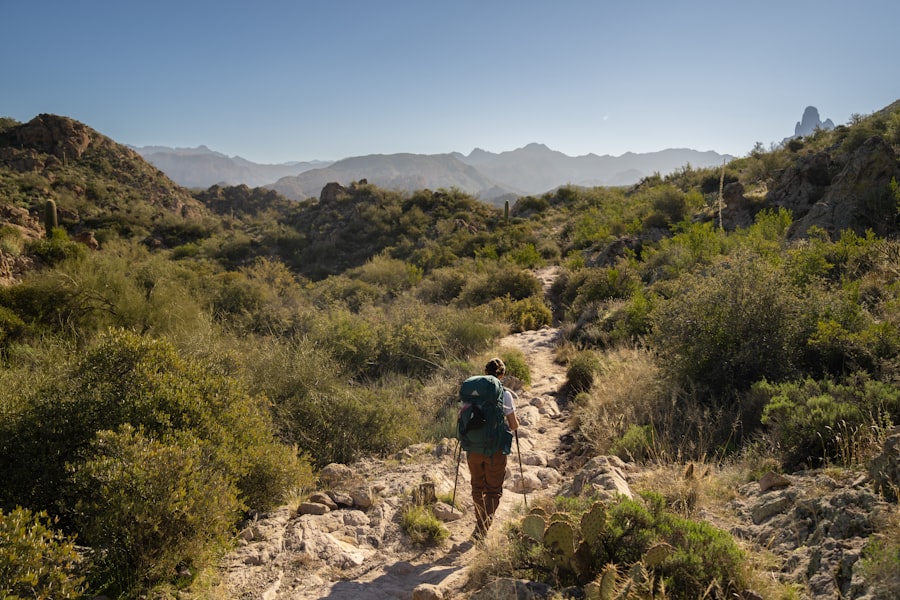
Staying on the trail and following proper navigation techniques is essential for a safe and enjoyable backpacking trip. Before setting out, familiarize yourself with the trail map and study the route. Learn how to read a map and use a compass to navigate in case of emergencies or unexpected circumstances. Stay aware of your surroundings and be cautious of potential hazards such as steep drop-offs or unstable terrain. Avoid shortcuts or off-trail excursions unless you are experienced and confident in your abilities.
Staying Safe While Backpacking: Tips for Emergencies and Wildlife Encounters
Being prepared for emergencies and wildlife encounters is crucial when backpacking in remote areas. Carry a well-stocked first aid kit and know how to treat common injuries and illnesses. Be aware of potential wildlife encounters and take precautions such as storing food properly and avoiding confrontations with animals. Familiarize yourself with local wildlife regulations and guidelines to ensure you are respecting the natural environment.
Setting Up Camp: Choosing a Site and Building a Shelter
Choosing a safe and comfortable campsite is essential for a good night’s sleep while backpacking. Look for flat ground away from potential hazards such as dead trees or loose rocks. Avoid camping near water sources to minimize the risk of flooding or attracting wildlife. When setting up your tent, ensure it is pitched securely and protected from wind and rain. If necessary, build a shelter using natural materials to provide additional protection from the elements.
Cooking on the Trail: Lightweight and Nutritious Meal Ideas
Proper nutrition is crucial for maintaining energy and stamina while backpacking. Plan lightweight and nutritious meals that are easy to prepare on the trail. Consider options such as dehydrated meals, trail mix, energy bars, and dried fruits. Pack a lightweight stove and cookware to heat water for hot meals or beverages. Remember to properly store food to avoid attracting wildlife and to minimize waste.
Leave No Trace: Principles for Responsible Backpacking
Responsible backpacking involves leaving the environment as you found it. Follow the Leave No Trace principles, which include minimizing campfire impacts, disposing of waste properly, respecting wildlife, and being considerate of other hikers. Pack out all trash and leave natural objects where you found them. Respect wildlife by observing from a distance and not feeding or approaching them.
Making the Most of Your Backpacking Experience: Tips for Mindfulness and Enjoyment
While backpacking is physically demanding, it also offers an opportunity for mindfulness and enjoyment. Take breaks to rest and appreciate the scenery around you. Disconnect from technology and immerse yourself in nature. Practice mindfulness by focusing on your breath, senses, and surroundings. Take time to reflect on your journey and appreciate the beauty of the natural world.
Planning and preparation are essential for a successful backpacking trip. From choosing the right destination to packing the essential gear, every step plays a crucial role in ensuring a safe and enjoyable experience. By following these tips and guidelines, you can embark on a backpacking adventure that allows you to connect with nature, challenge yourself, and create lasting memories. So get outside, explore the wilderness responsibly, and enjoy all that backpacking has to offer.
If you’re an avid backpacker looking to enhance your outdoor adventures, you’ll definitely want to check out this insightful article on the “5 Stages of Team Development: What You Need to Know.” Understanding how teams develop and function can greatly improve your backpacking experience, especially if you often embark on group trips. This article provides valuable insights and tips on building strong relationships, effective communication, and maximizing teamwork. So, grab your backpack and click here to read more about it!
FAQs
What is backpacking?
Backpacking is a form of low-cost, independent travel where travelers carry their belongings in a backpack and typically stay in budget accommodations such as hostels or campsites.
What are some essential items to pack for backpacking?
Some essential items to pack for backpacking include a backpack, tent, sleeping bag, water bottle, first aid kit, map and compass, headlamp or flashlight, and appropriate clothing and footwear.
How can I save money while backpacking?
To save money while backpacking, consider staying in budget accommodations such as hostels or campsites, cooking your own meals instead of eating out, using public transportation instead of taxis, and taking advantage of free activities such as hiking or visiting museums on free admission days.
What are some safety tips for backpacking?
Some safety tips for backpacking include informing someone of your itinerary and expected return time, carrying a first aid kit and knowing basic first aid skills, being aware of your surroundings and avoiding dangerous areas, and following Leave No Trace principles to minimize impact on the environment.
How can I plan a backpacking trip?
To plan a backpacking trip, consider your budget, destination, and length of time you have available. Research the area you plan to visit, including weather conditions, necessary permits, and available accommodations. Create an itinerary and make sure to inform someone of your plans. Pack appropriately and be prepared for unexpected situations.