
Exploring the Majestic Beauty of Perito Moreno Glacier in Patagonia
Located in the southern region of Argentina, the Perito Moreno Glacier is a natural wonder that attracts visitors from around the world. Situated in the Los
Located in the southern region of Argentina, the Perito Moreno Glacier is a natural wonder that attracts visitors from around the world. Situated in the Los Glaciares National Park in the province of Santa Cruz, this massive glacier is one of the most famous and accessible glaciers in Patagonia. Its stunning beauty and unique characteristics make it a must-see destination for nature lovers and adventure seekers alike.
The Perito Moreno Glacier is renowned for its size, beauty, and dynamic nature. It stretches over 250 square kilometers and is one of the few glaciers in the world that is still growing. The glacier is part of the Southern Patagonian Ice Field, which is the third largest reserve of fresh water on the planet. Its immense size and pristine beauty make it a truly awe-inspiring sight.
Key Takeaways
- Perito Moreno Glacier is a natural wonder located in Patagonia, Argentina.
- The glacier is formed by the accumulation of snow and ice over thousands of years and is characterized by its unique blue color and constant movement.
- Visitors can experience the beauty of Perito Moreno up close by taking a glacial hike.
- The region surrounding the glacier is home to a diverse range of flora and fauna, including condors, guanacos, and beavers.
- Exploring the surrounding lakes and rivers is a great way to fully appreciate the natural beauty of Perito Moreno.
The Formation and Characteristics of the Perito Moreno Glacier
The Perito Moreno Glacier was formed over thousands of years through a process known as glaciation. As snowfall accumulates in the mountains, it compresses into ice and begins to flow downhill under its own weight. Over time, this movement causes the ice to carve out valleys and create glaciers.
What sets the Perito Moreno Glacier apart from other glaciers is its unique characteristics. It is a tidewater glacier, meaning that it flows down from the mountains and ends in a lake or ocean. This creates a dramatic spectacle as chunks of ice break off from the glacier and crash into the water below.
The glacier’s movement is also a fascinating phenomenon. Unlike most glaciers, which slowly recede over time, the Perito Moreno Glacier is actually advancing. This is due to a natural cycle of accumulation and melting that occurs every few years. As the glacier advances, it pushes against the land, creating a dam-like structure that blocks off a section of Lake Argentino. Eventually, the pressure becomes too great and the dam bursts, causing a spectacular rupture known as the “calving” event.
A Glacial Hike: Experiencing the Beauty of Perito Moreno Up Close
One of the most thrilling ways to experience the Perito Moreno Glacier is by taking a guided hike on its icy surface. This unique adventure allows visitors to get up close and personal with the glacier, walking on its frozen expanse and exploring its crevasses and ice caves.
Before embarking on a glacial hike, it is important to be prepared and take necessary safety precautions. The glacier is a constantly changing environment, with hidden crevasses and unstable ice formations. It is essential to go with a knowledgeable guide who can navigate the terrain and ensure your safety.
Proper equipment is also crucial for a glacial hike. Visitors are typically provided with crampons, which are metal spikes that attach to your boots and provide traction on the slippery ice. It is also recommended to wear warm, waterproof clothing and bring sunscreen and sunglasses to protect against the glare of the sun on the ice.
The Unique Flora and Fauna of the Perito Moreno Glacier Region
| Species | Population | Threat Level |
|---|---|---|
| Andean Condor | ~100 individuals | Endangered |
| Magellanic Woodpecker | Unknown | Vulnerable |
| Patagonian Huemul | ~1,500 individuals | Endangered |
| South Andean Deer | Unknown | Vulnerable |
| Chilean Flamingo | ~200 individuals | Endangered |
While the Perito Moreno Glacier itself may seem barren and inhospitable, the surrounding region is teeming with life. The harsh glacial environment has given rise to a unique array of plant and animal species that have adapted to survive in this extreme climate.
The plant life in the area consists mainly of mosses, lichens, and small shrubs that are able to withstand the cold temperatures and lack of nutrients in the soil. These hardy plants cling to rocks and crevices, adding a splash of color to the otherwise stark landscape.
The fauna of the Perito Moreno Glacier region is equally fascinating. One of the most iconic animals in Patagonia is the Andean condor, a majestic bird with a wingspan of up to 10 feet. These birds can often be seen soaring above the glacier, searching for carrion to feed on.
Other notable species include the guanaco, a relative of the llama, and the South Andean deer, which is native to the region. These animals have adapted to survive in the harsh conditions of the Patagonian steppe, where food and water can be scarce.
Exploring the Surrounding Lakes and Rivers of Perito Moreno
In addition to the Perito Moreno Glacier, the region is also home to a number of stunning lakes and rivers that are worth exploring. Lake Argentino, the largest lake in Argentina, is located just a short distance from the glacier and offers opportunities for boating, kayaking, and fishing.
The lake is fed by several rivers, including the Santa Cruz River, which flows from the glacier itself. This river is known for its turquoise waters and is a popular spot for fly fishing. Anglers can try their luck at catching trout and salmon in this pristine natural setting.
For those looking for a more adventurous experience, there are also opportunities for white-water rafting on the nearby rivers. The fast-flowing rapids provide an adrenaline-pumping experience as you navigate through the stunning Patagonian landscape.
The Importance of Perito Moreno Glacier in the Global Ecosystem
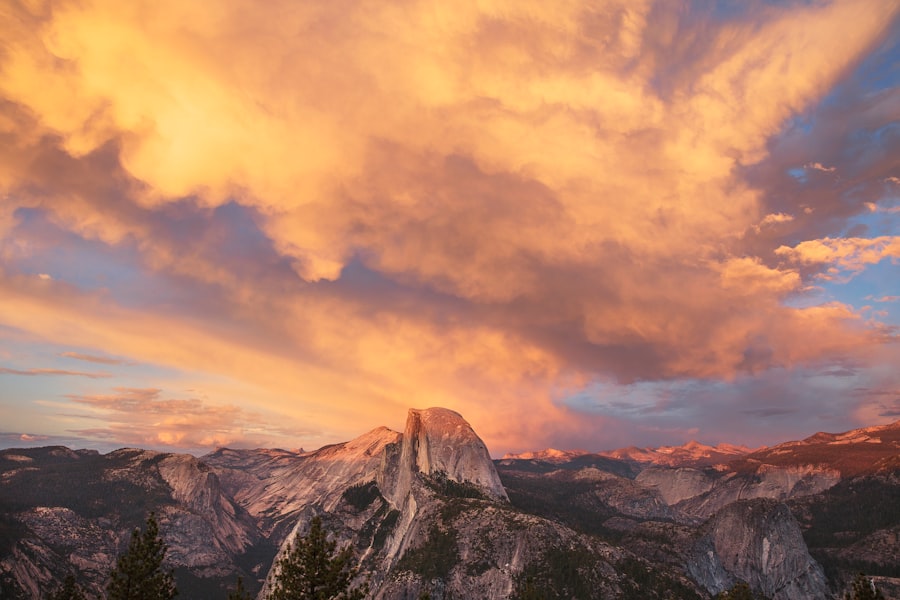
The Perito Moreno Glacier plays a crucial role in the global ecosystem. As part of the Southern Patagonian Ice Field, it acts as a reservoir of fresh water that feeds into rivers and lakes throughout the region. This water is essential for both human and animal populations, providing drinking water and supporting agriculture.
The glacier also helps to regulate global climate patterns. As it melts, it releases large amounts of fresh water into the ocean, which affects ocean currents and temperature. This in turn has an impact on weather patterns around the world.
Unfortunately, the Perito Moreno Glacier, like many glaciers around the world, is being affected by climate change. Rising temperatures are causing the glacier to melt at an accelerated rate, leading to increased calving events and a loss of ice mass. This not only threatens the beauty of the glacier, but also has far-reaching implications for the global ecosystem.
The Cultural Significance of Perito Moreno to the Indigenous People of Patagonia
The Perito Moreno Glacier holds great cultural significance for the indigenous people of Patagonia. The region has been inhabited by indigenous communities for thousands of years, and the glacier has played a central role in their way of life.
For these communities, the glacier is seen as a sacred place, a source of spiritual power and connection to the natural world. It is believed to be inhabited by spirits and is often used as a site for rituals and ceremonies.
The glacier also holds practical importance for these communities. The melting ice provides a source of fresh water for drinking and irrigation, and the surrounding area is rich in natural resources such as fish and game.
The Best Time to Visit Perito Moreno Glacier: Climate and Weather Considerations
When planning a visit to the Perito Moreno Glacier, it is important to consider the climate and weather patterns in the region. The weather in Patagonia can be unpredictable, with strong winds and sudden changes in temperature.
The summer months of December to February are generally considered the best time to visit, as temperatures are milder and there is less chance of rain or snow. During this time, visitors can enjoy longer days and take advantage of outdoor activities such as hiking and boating.
However, it is worth noting that even in summer, temperatures can still be quite cold, especially on the glacier itself. It is important to dress in layers and be prepared for changing weather conditions.
Sustainable Tourism Practices in Perito Moreno: Preserving the Natural Beauty for Future Generations
As the popularity of the Perito Moreno Glacier as a tourist destination has grown, so too has the need for sustainable tourism practices. Efforts are being made to minimize the impact of visitors on the fragile ecosystem and preserve the natural beauty of the glacier for future generations.
One such initiative is the implementation of visitor quotas, which limit the number of people allowed on the glacier at any given time. This helps to reduce overcrowding and prevent damage to the ice.
There are also strict regulations in place regarding waste management and conservation. Visitors are required to follow Leave No Trace principles, taking their trash with them and leaving the area as they found it.
Additionally, there are educational programs in place to raise awareness about the importance of preserving the glacier and its surrounding environment. These programs aim to instill a sense of responsibility and stewardship among visitors, encouraging them to take an active role in protecting this natural wonder.
Unforgettable Moments at Perito Moreno Glacier: Capturing the Beauty in Photographs and Memories
A visit to the Perito Moreno Glacier is sure to leave a lasting impression. The sheer size and beauty of the glacier, combined with the unique experiences it offers, make for unforgettable moments that will stay with you long after you leave.
One of the best ways to capture the beauty of the glacier is through photography. The ever-changing colors and textures of the ice provide endless opportunities for stunning shots. Whether you’re a professional photographer or just snapping pictures with your smartphone, there are countless ways to capture the magic of this natural wonder.
But beyond photographs, it is the memories and experiences gained from visiting Perito Moreno Glacier that truly make it special. Whether it’s hiking on the glacier, witnessing a calving event, or simply taking in the breathtaking views, these moments will stay with you forever. The sense of awe and wonder that comes from being in such close proximity to this natural wonder is something that cannot be replicated.
In conclusion, the Perito Moreno Glacier is a natural wonder that captivates visitors with its beauty and unique characteristics. From its formation and movement to the flora and fauna that surround it, there is so much to explore and discover in this stunning region of Patagonia. Whether you choose to hike on the glacier, explore the surrounding lakes and rivers, or simply take in the breathtaking views, a visit to Perito Moreno Glacier is sure to be an unforgettable experience.
If you’re fascinated by famous glaciers and their impact on our planet, you might also be interested in exploring ways to make your business stand out and achieve remarkable success. In a recent article titled “Be Remarkable: How to Make Your Business Stand Out,” Nextep Funding provides valuable insights and strategies to help businesses differentiate themselves in a competitive market. From unique branding techniques to innovative marketing approaches, this article offers practical tips that can elevate your business to new heights. Check it out here and discover how you can create a lasting impression in the business world.
FAQs
What is a glacier?
A glacier is a large mass of ice that forms over many years from the accumulation of snow and ice.
What is the famous glacier?
There are many famous glaciers around the world, including the Perito Moreno Glacier in Argentina, the Franz Josef Glacier in New Zealand, and the Athabasca Glacier in Canada.
Where is the famous glacier located?
The location of the famous glacier depends on which glacier is being referred to. Each famous glacier has its own unique location.
How do glaciers form?
Glaciers form when snow and ice accumulate over many years and compress into ice. Over time, the weight of the ice causes it to flow downhill.
What is the importance of glaciers?
Glaciers are important because they provide a source of freshwater for many people around the world. They also help regulate the Earth’s climate by reflecting sunlight back into space.
Are glaciers melting?
Yes, many glaciers around the world are melting due to climate change. This can have significant impacts on sea level rise and water availability.