
Experience the Magic of Rio Carnival: A Spectacular Celebration of Brazilian Culture
Rio Carnival is one of the most famous and vibrant festivals in the world, attracting millions of visitors from all corners of the globe. This annual event
Rio Carnival is one of the most famous and vibrant festivals in the world, attracting millions of visitors from all corners of the globe. This annual event takes place in Rio de Janeiro, Brazil, and is deeply rooted in Brazilian culture. The festival is a celebration of music, dance, and colorful costumes, and it showcases the rich cultural heritage of Brazil. Rio Carnival is a time for people to come together, let loose, and immerse themselves in the infectious energy and joy that fills the streets of Rio.
Key Takeaways
- Rio Carnival has a rich history dating back to the 18th century.
- Samba schools are the backbone of the carnival, with over 200 schools participating each year.
- The costumes are a dazzling display of colors, feathers, and sequins, often taking months to create.
- The music is a mix of traditional Brazilian rhythms, including samba, bossa nova, and funk.
- The parade is a breathtaking showcase of artistry and creativity, with elaborate floats and costumes.
A Brief History of Rio Carnival: From Its Origins to Today’s Extravaganza
The origins of Carnival in Brazil can be traced back to the Portuguese colonization of the country in the 16th century. The Portuguese brought with them the tradition of celebrating Carnival, which was originally a religious festival marking the beginning of Lent. Over time, the festival evolved and incorporated elements of African and indigenous cultures, resulting in the unique and vibrant celebration that is Rio Carnival today.
Rio Carnival has grown exponentially over the years, becoming a major event on the international calendar. In the early 20th century, samba music and dance became an integral part of the festival, adding to its infectious energy and rhythm. Today, Rio Carnival is a massive extravaganza that attracts millions of visitors each year. It is a showcase of Brazilian culture and a testament to the creativity and passion of the people of Rio.
The Samba Schools: The Heart and Soul of Rio Carnival
Samba schools are at the heart and soul of Rio Carnival. These are community-based organizations that come together to prepare for and participate in the festival. Each samba school represents a specific neighborhood or community in Rio de Janeiro and has its own unique identity and style.
The samba schools spend months preparing for Rio Carnival, with rehearsals, costume making, and choreography sessions taking place throughout the year. The schools compete against each other in the Samba Parade, which is the highlight of the festival. The parade is a spectacle of color, music, and dance, with each samba school showcasing their creativity and talent.
The Costumes: A Riot of Colors, Feathers, and Sequins
| Costume Type | Number of Costumes | Number of Colors | Number of Feathers | Number of Sequins |
|---|---|---|---|---|
| Male | 25 | 5 | 100 | 500 |
| Female | 35 | 10 | 250 | 1000 |
| Children | 10 | 3 | 50 | 200 |
One of the most visually stunning aspects of Rio Carnival is the elaborate costumes worn by the participants. These costumes are a riot of colors, feathers, and sequins, and they play a crucial role in bringing the festival to life.
There are different types of costumes worn during Rio Carnival, ranging from traditional samba costumes to more elaborate and extravagant designs. The costumes are often handmade and can take months to create. They are adorned with feathers, sequins, and other decorative elements, and they are designed to reflect the theme of each samba school.
The Music: The Rhythms of Brazil That Will Make You Dance
Music is an integral part of Rio Carnival, and it is impossible to imagine the festival without the infectious rhythms of samba. Samba music originated in Brazil in the early 20th century and has since become synonymous with Rio Carnival.
During Rio Carnival, different types of music can be heard throughout the city. Samba ensembles known as “blocos” perform on the streets, while live bands play in clubs and venues across Rio. The music is lively and energetic, and it is impossible to resist the urge to dance when you hear it.
The Parade: A Jaw-Dropping Display of Artistry and Creativity
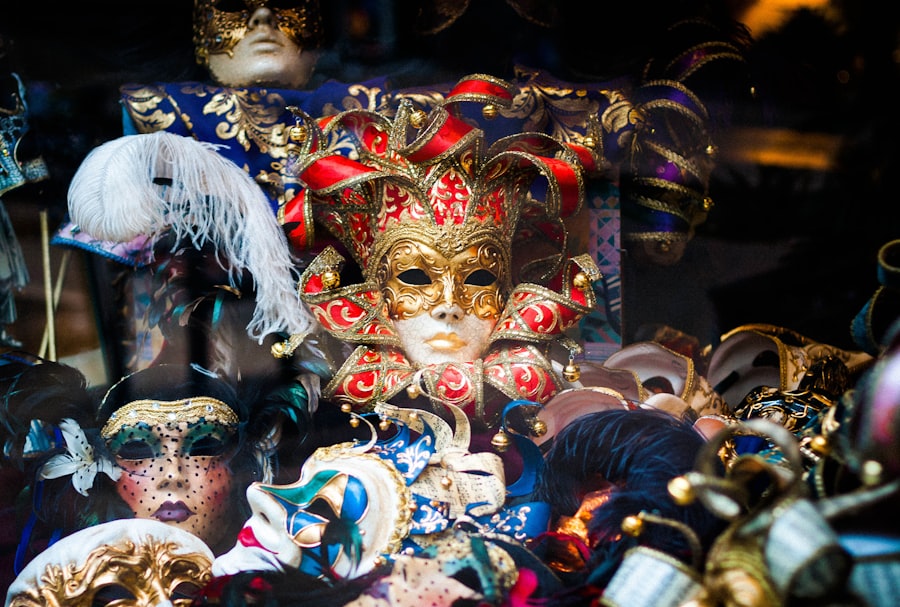
The Samba Parade is the centerpiece of Rio Carnival and is a jaw-dropping display of artistry and creativity. It takes place in the Sambadrome, a purpose-built stadium that can accommodate thousands of spectators.
The parade features elaborate floats, colorful costumes, and synchronized dance routines performed by the samba schools. Each school has a designated time slot to showcase their performance, and they are judged on various criteria, including music, dance, and overall presentation.
The Street Parties: Join the Fun and Celebrate Like a Local
In addition to the Samba Parade, Rio Carnival is also known for its vibrant street parties, known as “blocos.” These parties take place throughout the city and are open to everyone. They are a chance for locals and visitors alike to come together, dance, and celebrate.
To participate in the street parties, all you need is a festive spirit and a willingness to let loose. The streets of Rio come alive with music, dancing, and laughter, creating an electric atmosphere that is hard to replicate anywhere else in the world.
The Food: Savor the Flavors of Brazilian Cuisine During Carnival
No festival is complete without delicious food, and Rio Carnival is no exception. Brazilian cuisine is diverse and flavorful, with influences from African, Portuguese, and indigenous cultures.
During Rio Carnival, you can sample a wide range of traditional Brazilian dishes, such as feijoada (a black bean stew with pork), acarajé (deep-fried balls of black-eyed pea dough filled with shrimp), and pão de queijo (cheese bread). There are also plenty of street food stalls selling snacks like coxinha (deep-fried chicken croquettes) and pastel (fried pastry filled with various fillings).
The People: Meet the Friendly and Welcoming Cariocas (Rio Locals)
The people of Rio de Janeiro, known as Cariocas, are known for their friendly and welcoming nature. They are proud of their city and their culture, and they are always happy to share it with visitors.
During Rio Carnival, you can expect to be greeted with open arms by the locals. They will be more than happy to teach you how to samba, show you the best places to eat and drink, and make you feel like a part of the celebration.
The Safety: Tips to Enjoy Rio Carnival Without Worrying About Your Security
While Rio Carnival is a fun and vibrant festival, it is important to take precautions to ensure your safety. Like any major event, there are certain risks associated with large crowds and unfamiliar surroundings.
To stay safe during Rio Carnival, it is advisable to travel in groups, avoid carrying large amounts of cash or valuables, and be aware of your surroundings at all times. It is also a good idea to familiarize yourself with the emergency contact numbers and the location of the nearest police stations and hospitals.
The Experience: Why Rio Carnival Should Be on Your Bucket List
Rio Carnival is a once-in-a-lifetime experience that should be on everyone’s bucket list. It is a celebration of life, culture, and joy, and it offers a unique opportunity to immerse yourself in the vibrant spirit of Brazil.
The festival is a feast for the senses, with its colorful costumes, infectious music, and lively atmosphere. It is a chance to let go of inhibitions, dance like no one is watching, and create memories that will last a lifetime.
Rio Carnival is a celebration like no other. It is a testament to the rich cultural heritage of Brazil and a showcase of the creativity and passion of the people of Rio de Janeiro. From the elaborate costumes to the infectious rhythms of samba, every aspect of the festival is designed to immerse visitors in the vibrant spirit of Brazil.
Whether you choose to watch the Samba Parade, join in the street parties, or simply soak up the atmosphere, Rio Carnival is an experience that should not be missed. It is a celebration of life, love, and joy, and it will leave you with memories that will last a lifetime. So pack your dancing shoes, put on your brightest costume, and get ready to experience the magic of Rio Carnival.
If you’re looking to boost your business growth, you might be interested in exploring the best SaaS tools available. In a recent article by Nextep Funding, they highlight some of the top SaaS tools that can help take your business to the next level. From project management software to customer relationship management tools, these SaaS solutions can streamline your operations and improve efficiency. Check out the article here to learn more about how these tools can benefit your business.
FAQs
What is Rio Carnival?
Rio Carnival is an annual festival held in Rio de Janeiro, Brazil. It is a celebration of Brazilian culture and is considered one of the biggest carnivals in the world.
When is Rio Carnival held?
Rio Carnival is held every year in the week leading up to Lent. The festival usually takes place in February or March.
How long does Rio Carnival last?
Rio Carnival lasts for five days, starting on the Friday before Ash Wednesday and ending on Fat Tuesday.
What happens during Rio Carnival?
During Rio Carnival, there are parades, street parties, and performances throughout the city. The highlight of the festival is the Samba Parade, where samba schools compete in elaborate costumes and floats.
How many people attend Rio Carnival?
Rio Carnival attracts millions of people every year, including both locals and tourists from around the world.
Is Rio Carnival safe?
While Rio Carnival is generally safe, it is important to take precautions to avoid theft and other crimes. It is recommended to stay in well-lit areas, avoid carrying valuables, and be aware of your surroundings at all times.
What is the history of Rio Carnival?
Rio Carnival has its roots in Portuguese traditions brought to Brazil in the 18th century. Over time, it evolved to include African and indigenous influences, becoming the vibrant celebration of Brazilian culture that it is today.