
Discover the Best Hikes in the Blue Mountains: A Guide to Unforgettable Trails
The Blue Mountains, located in New South Wales, Australia, is a hiker's paradise. With its stunning natural beauty and diverse landscapes, it has become a
The Blue Mountains, located in New South Wales, Australia, is a hiker’s paradise. With its stunning natural beauty and diverse landscapes, it has become a popular destination for outdoor enthusiasts from around the world. The Blue Mountains National Park covers over one million hectares of land, making it a vast playground for hikers of all skill levels.
One of the unique features of the Blue Mountains is its eucalyptus forests, which emit a blue haze that gives the mountains their name. This creates a magical and ethereal atmosphere that adds to the allure of hiking in this region. The mountains are also home to breathtaking waterfalls, deep canyons, and towering sandstone cliffs, providing endless opportunities for exploration and adventure.
Key Takeaways
- The Blue Mountains offer a hiker’s paradise with a variety of trails for all skill levels.
- Essential gear and safety tips are crucial for a successful and safe hiking experience in the Blue Mountains.
- Beginners can enjoy the top 5 hikes in the Blue Mountains, while experienced hikers can explore the rugged terrain with challenging hikes.
- Families with kids can enjoy family-friendly trails in the Blue Mountains.
- The best time to hike in the Blue Mountains depends on seasonal considerations, and off-the-beaten-path hikes can uncover hidden gems.
Essential Gear and Safety Tips for Hiking in the Blue Mountains
When embarking on a hiking adventure in the Blue Mountains, it is essential to have the right gear and take necessary safety precautions. Proper footwear is crucial, as the terrain can be rugged and uneven. Invest in a good pair of hiking boots that provide ankle support and have a sturdy grip.
It is also important to dress appropriately for the weather conditions. The Blue Mountains can experience rapid changes in weather, so it is advisable to wear layers that can be easily added or removed as needed. A waterproof jacket is essential, as rain showers can occur unexpectedly.
In terms of safety, always let someone know your hiking plans before you set off. Carry a map and compass or use a GPS device to navigate your way through the trails. It is also advisable to bring a first aid kit, plenty of water, and high-energy snacks to keep you fueled throughout your hike.
Top 5 Hikes for Beginners in the Blue Mountains
For beginners looking to explore the beauty of the Blue Mountains, there are several hikes that offer stunning views without being too challenging. One such hike is the Grand Canyon Loop Track, which takes you through lush rainforest, past waterfalls, and along the edge of the canyon. It is a moderate 6-kilometer loop that can be completed in around 3 hours.
Another great option for beginners is the National Pass Trail. This 4.5-kilometer trail offers breathtaking views of the Jamison Valley and takes you past several waterfalls, including the iconic Wentworth Falls. The trail is well-maintained and has some stairs and steep sections, but overall it is a manageable hike for beginners.
The Prince Henry Cliff Walk is another popular choice for beginners. This 7-kilometer trail follows the cliff edge and offers stunning views of the Three Sisters rock formation and the Jamison Valley. It is a relatively easy hike with well-marked paths and plenty of lookout points along the way.
For those looking for a shorter hike, the Leura Cascades Circuit is a great option. This 1.8-kilometer loop takes you through beautiful rainforest and past several cascades and waterfalls. It is an easy hike that can be completed in under an hour, making it perfect for families or those with limited time.
Challenging Hikes for Experienced Hikers: Exploring the Blue Mountains’ Rugged Terrain
| Hike Name | Distance (miles) | Elevation Gain (feet) | Difficulty Level |
|---|---|---|---|
| Mount Solitary | 9.3 | 3,609 | Difficult |
| Grand Canyon Track | 5.6 | 2,559 | Moderate |
| Wentworth Pass | 6.2 | 1,968 | Moderate |
| Govetts Leap to Pulpit Rock | 6.8 | 2,559 | Difficult |
| Mount Hay | 6.2 | 2,559 | Difficult |
Experienced hikers looking for a challenge will find plenty of options in the Blue Mountains. One such hike is the Six Foot Track, a 44-kilometer trail that follows an old horse track from Katoomba to Jenolan Caves. This multi-day hike takes you through diverse landscapes, including eucalyptus forests, open farmland, and river valleys.
Another challenging hike is the Mount Solitary Circuit, a 45-kilometer loop that takes you to the summit of Mount Solitary, offering panoramic views of the surrounding mountains. This hike requires navigation skills and is best suited for experienced hikers who are comfortable with off-trail hiking.
The Blackheath to Blue Gum Forest hike is another challenging option for experienced hikers. This 22-kilometer trail takes you through the stunning Grose Valley and offers breathtaking views of the surrounding cliffs and waterfalls. It is a long and strenuous hike that requires a good level of fitness and navigation skills.
Hiking with Kids: Family-Friendly Trails in the Blue Mountains
The Blue Mountains is a great destination for families with kids, as there are plenty of family-friendly trails to explore. One such trail is the Jellybean Track, a short and easy walk that takes you to a beautiful swimming hole surrounded by lush rainforest. Kids will love splashing in the crystal-clear water and exploring the surrounding area.
Another family-friendly trail is the Charles Darwin Walk, which takes you through the World Heritage-listed Wollemi National Park. This 2-kilometer loop offers interpretive signs along the way, providing educational opportunities for kids to learn about the unique flora and fauna of the area.
The Fairy Dell Loop Track is another great option for families. This 1.5-kilometer loop takes you through a magical forest filled with ferns, moss-covered rocks, and trickling streams. Kids will love searching for fairies and other magical creatures along the way.
The Best Time to Hike in the Blue Mountains: Seasonal Considerations
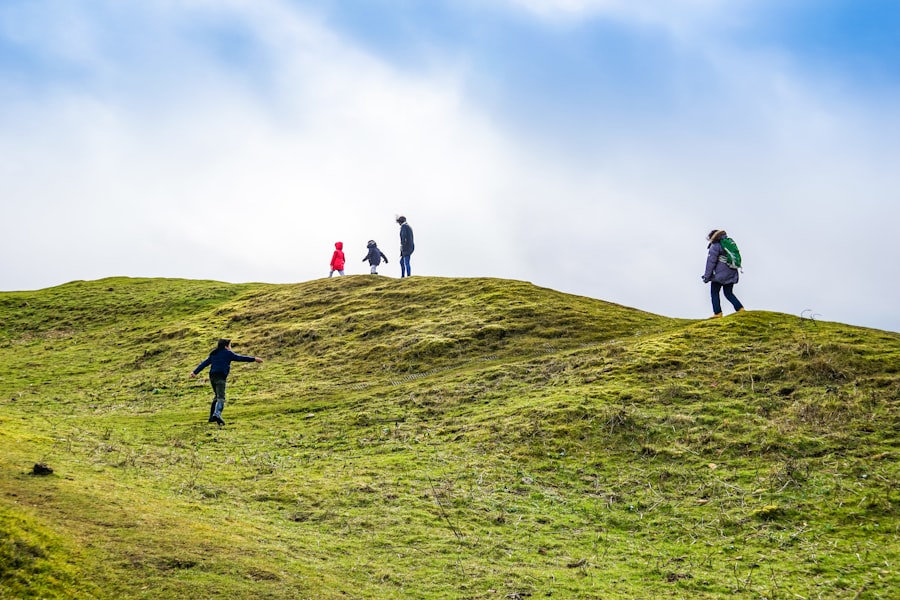
The best time to hike in the Blue Mountains depends on personal preferences and what you want to experience during your hike. Spring (September to November) and autumn (March to May) are generally considered the best times to visit, as the weather is mild and the landscapes are vibrant with blooming wildflowers or colorful foliage.
Summer (December to February) can be hot, with temperatures reaching over 30 degrees Celsius. However, it is a great time to explore the waterfalls and swimming holes in the Blue Mountains, as they are at their fullest during this time of year.
Winter (June to August) can be cold, with temperatures dropping below freezing at night. However, it is a great time to experience the Blue Mountains covered in a blanket of snow. The landscapes take on a magical quality, and there are fewer crowds on the trails.
Regardless of the season, it is important to be prepared for changing weather conditions. Always check the weather forecast before heading out and dress in layers to stay comfortable throughout your hike. Bring sunscreen, a hat, and sunglasses to protect yourself from the sun, and pack extra layers and a waterproof jacket in case of rain or cold temperatures.
Uncovering the Hidden Gems: Off-the-Beaten-Path Hikes in the Blue Mountains
While there are many popular hikes in the Blue Mountains, there are also several hidden gems that are off the beaten path. One such hike is the Rodriguez Pass, a challenging 15-kilometer trail that takes you through remote valleys and past towering cliffs. This hike offers stunning views and a sense of solitude that is hard to find on the more popular trails.
Another hidden gem is the Mount Hay Summit Track. This 6-kilometer trail takes you to the summit of Mount Hay, offering panoramic views of the surrounding mountains and valleys. The trail is not well-marked, so navigation skills are required, but the effort is well worth it for the breathtaking views.
The Fortress Ridge Track is another off-the-beaten-path hike that offers stunning views and a sense of adventure. This 10-kilometer trail takes you along a narrow ridge with sheer drops on either side, providing an exhilarating experience for those who are not afraid of heights.
Hiking and Camping: Overnight Adventures in the Blue Mountains
For those looking to extend their hiking adventure in the Blue Mountains, there are several options for overnight hiking and camping. The Blue Mountains National Park offers several designated campsites, including the Euroka Campground and the Acacia Flat Campground. These campsites have basic facilities, including toilets and picnic tables, and are a great option for those who prefer a more comfortable camping experience.
For those looking for a more remote and backcountry camping experience, there are several options available. However, it is important to check the regulations and obtain any necessary permits before setting off on your hike. Leave no trace principles should be followed at all times to minimize your impact on the environment.
Discovering the Blue Mountains’ Rich History: Hikes to Historical Sites and Landmarks
The Blue Mountains is not only known for its natural beauty but also for its rich history. There are several hikes that take you to historical sites and landmarks that offer a glimpse into the region’s past. One such hike is the Ruined Castle Track, which takes you to the ruins of an old castle-like structure that was built in the early 1900s.
Another historical site that can be visited while hiking in the Blue Mountains is the Explorers Tree. This tree was marked by early European explorers in the 1800s and serves as a reminder of the region’s exploration history.
The Old Great North Road is another historical landmark that can be explored while hiking in the Blue Mountains. This road was built by convicts in the early 1800s and is now a World Heritage-listed site. Hiking along this road provides a unique opportunity to step back in time and imagine what life was like for those who built it.
Tips for Sustainable Hiking: Leave No Trace in the Blue Mountains
When hiking in the Blue Mountains, it is important to practice sustainable hiking and leave no trace. This means minimizing your impact on the environment and leaving the trails as you found them. Here are some tips to help you practice sustainable hiking in the Blue Mountains:
– Stick to designated trails and avoid creating new ones. This helps protect the fragile ecosystems and prevents erosion.
– Pack out all your trash, including food scraps. Do not leave any litter behind, as it can harm wildlife and spoil the natural beauty of the area.
– Respect wildlife and observe from a distance. Do not feed or approach animals, as this can disrupt their natural behavior.
– Camp only in designated campsites and follow any regulations or restrictions that are in place.
– Use biodegradable soap when washing dishes or yourself in natural water sources to minimize pollution.
– Be mindful of noise levels and respect the peace and tranquility of the area.
By following these tips, you can help preserve the beauty of the Blue Mountains for future generations to enjoy.
If you’re an avid hiker and looking for some breathtaking trails to explore, the Blue Mountains in Australia should be on your bucket list. From stunning vistas to lush forests, this World Heritage-listed area offers a variety of hiking options for all skill levels. If you’re interested in learning more about the best hikes in the Blue Mountains, check out this informative article: 20 Business Blogs That Will Blow Your Mind. It provides valuable insights into the top hiking trails, including detailed descriptions and tips for a memorable experience. So lace up your boots and get ready to embark on an unforgettable adventure in the Blue Mountains!
FAQs
What are the Blue Mountains?
The Blue Mountains are a mountain range located in New South Wales, Australia. They are a popular tourist destination known for their scenic beauty and hiking trails.
What are the best hikes in the Blue Mountains?
Some of the best hikes in the Blue Mountains include the National Pass Trail, the Grand Canyon Track, the Six Foot Track, and the Mount Solitary Track.
What is the National Pass Trail?
The National Pass Trail is a hiking trail in the Blue Mountains that offers stunning views of the Jamison Valley and Wentworth Falls. It is a challenging hike that requires a good level of fitness.
What is the Grand Canyon Track?
The Grand Canyon Track is a hiking trail in the Blue Mountains that takes you through a narrow canyon with towering sandstone walls. It is a challenging hike that offers breathtaking views of the surrounding landscape.
What is the Six Foot Track?
The Six Foot Track is a 45-kilometer hiking trail that runs from Katoomba to Jenolan Caves in the Blue Mountains. It is a popular multi-day hike that takes you through beautiful forests, rivers, and valleys.
What is the Mount Solitary Track?
The Mount Solitary Track is a challenging hiking trail in the Blue Mountains that takes you to the summit of Mount Solitary. It offers stunning views of the surrounding landscape and is recommended for experienced hikers.