
Mastering Your Finances: Free Budgeting Templates to Help You Take Control
Financial management is the process of planning, organizing, controlling, and monitoring the financial resources of an individual or organization. It involves
Financial management is the process of planning, organizing, controlling, and monitoring the financial resources of an individual or organization. It involves making decisions about how to allocate funds, manage expenses, and achieve financial goals. Financial management is important in everyday life because it helps individuals and families make informed decisions about their money, reduce financial stress, and achieve financial stability.
Key Takeaways
- Financial management is important for managing your money effectively.
- Understanding your income and expenses is crucial for creating a budget.
- Budgeting can help you save money, reduce debt, and achieve financial goals.
- There are different types of budgets, such as zero-based and incremental budgets.
- To create a budget plan, track your income and expenses, set financial goals, and allocate funds accordingly.
Understanding Your Income and Expenses
To effectively manage your finances, it is important to understand your income and expenses. This involves identifying all sources of income, such as salary, investments, and rental income. Tracking expenses is also crucial in order to have a clear picture of where your money is going. This can be done by keeping receipts, using budgeting apps or spreadsheets, or simply writing down your expenses.
Calculating net income is another important step in understanding your finances. Net income is the amount of money you have left after deducting your expenses from your income. This figure gives you an idea of how much money you have available for savings or other financial goals.
Benefits of Budgeting
Budgeting is a key component of financial management and offers several benefits. Firstly, it helps to control spending by providing a clear plan for how much money should be allocated to different expenses. This can prevent overspending and help individuals stay within their means.
Secondly, budgeting helps individuals achieve their financial goals. By setting aside a specific amount of money each month for savings or investments, individuals can work towards their long-term objectives such as buying a house or retiring comfortably.
Lastly, budgeting helps to avoid debt. By carefully planning and monitoring expenses, individuals can ensure that they are not spending more than they earn and accumulating unnecessary debt.
Types of Budgets
| Types of Budgets | Description |
|---|---|
| Fixed Budget | A budget that remains unchanged regardless of changes in activity levels. |
| Flexible Budget | A budget that adjusts to changes in activity levels, allowing for more accurate forecasting. |
| Incremental Budget | A budget that builds on the previous year’s budget, with incremental increases or decreases based on changes in activity levels. |
| Zero-Based Budget | A budget that starts from scratch each year, with every expense and revenue item justified and evaluated based on its necessity and potential return on investment. |
| Cash Budget | A budget that focuses on cash inflows and outflows, helping businesses manage their cash flow and avoid cash shortages. |
There are several types of budgets that individuals can use to manage their finances. One popular type is the zero-based budget, where every dollar earned is allocated to a specific expense or savings category. This type of budget ensures that every dollar has a purpose and helps individuals prioritize their spending.
Another type of budget is the envelope budget, where cash is allocated to different envelopes representing different expense categories. This method can be helpful for individuals who prefer using cash for their day-to-day expenses and want a visual representation of their spending.
The 50/30/20 budget is another popular method, where 50% of income is allocated to needs, 30% to wants, and 20% to savings or debt repayment. This budgeting method provides a balanced approach to managing finances and allows individuals to enjoy some discretionary spending while still saving for the future.
How to Create a Budget Plan
Creating a budget plan involves several steps. Firstly, it is important to set financial goals. These goals can be short-term, such as saving for a vacation, or long-term, such as saving for retirement. Setting clear goals helps individuals stay motivated and focused on their financial objectives.
Next, it is important to identify all expenses. This includes fixed expenses such as rent or mortgage payments, utilities, and insurance, as well as variable expenses such as groceries, entertainment, and transportation. It is important to be thorough when identifying expenses in order to create an accurate budget.
Once expenses have been identified, it is time to allocate funds. This involves determining how much money should be allocated to each expense category based on priorities and available income. It may be necessary to make adjustments and prioritize certain expenses over others in order to stay within budget.
Finally, it is important to monitor progress regularly. This involves tracking expenses, reviewing the budget plan, and making adjustments as necessary. Monitoring progress helps individuals stay on track with their financial goals and make any necessary changes to their budget plan.
Tips for Sticking to Your Budget
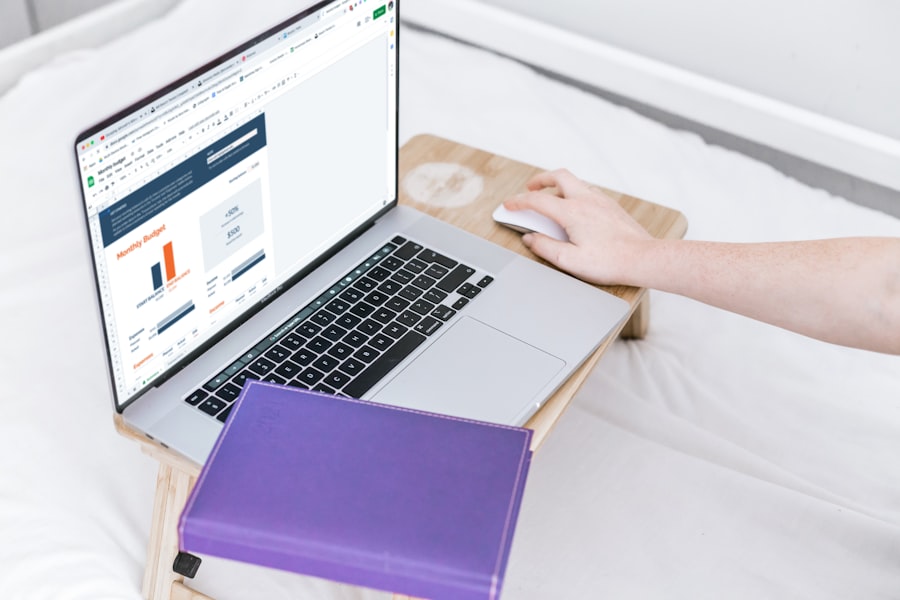
Sticking to a budget can be challenging, but there are several tips that can help. Firstly, it is important to avoid impulse purchases. This can be done by creating a list before going shopping and sticking to it, as well as waiting 24 hours before making any non-essential purchases.
Using cash instead of credit cards can also help individuals stick to their budget. When using cash, individuals are more aware of how much they are spending and are less likely to overspend.
Finding ways to save money is another important tip for sticking to a budget. This can include shopping for sales, using coupons, or finding cheaper alternatives for everyday expenses. By finding ways to save money, individuals can stay within their budget and achieve their financial goals.
Free Budgeting Templates Available Online
For individuals who prefer a more structured approach to budgeting, there are many free budgeting templates available online. These templates provide a pre-designed format for tracking income and expenses and can be customized to suit individual needs.
Using budgeting templates can save time and effort in creating a budget plan from scratch. They provide a clear framework for organizing finances and can help individuals stay organized and focused on their financial goals.
How to Use Budgeting Templates
Using budgeting templates is simple and straightforward. Firstly, the template needs to be downloaded from a trusted source. There are many websites that offer free budgeting templates, so it is important to choose one that suits your needs.
Once the template is downloaded, it can be customized to suit individual preferences. This may involve adding or removing expense categories, adjusting budget amounts, or personalizing the template with colors or fonts.
After customizing the template, it is time to enter income and expenses. This can be done by inputting the relevant information into the designated fields or cells in the template. It is important to be accurate and thorough when entering income and expenses in order to have an accurate representation of your finances.
Customizing Budgeting Templates to Suit Your Needs
Budgeting templates can be customized to suit individual needs and preferences. This can include adding or removing expense categories based on personal spending habits, adjusting budget amounts to reflect individual income and expenses, or personalizing the template with colors or fonts.
By customizing the template, individuals can create a budget plan that is tailored to their specific financial situation and goals. This can make budgeting more effective and enjoyable, as it reflects individual preferences and priorities.
Importance of Regularly Reviewing and Updating Your Budget
Regularly reviewing and updating your budget is important for several reasons. Firstly, it allows you to track your progress towards your financial goals. By reviewing your budget regularly, you can see if you are on track or if adjustments need to be made.
Secondly, reviewing and updating your budget allows you to identify any areas where you may be overspending or where you can make adjustments to save more money. This can help you stay within your budget and achieve your financial goals faster.
Lastly, life circumstances and financial situations can change over time. By regularly reviewing and updating your budget, you can ensure that it remains relevant and effective in helping you manage your finances.
Financial management is an important aspect of everyday life that involves planning, organizing, controlling, and monitoring financial resources. Understanding your income and expenses is crucial in order to effectively manage your finances. Budgeting offers several benefits such as controlling spending, achieving financial goals, and avoiding debt. There are different types of budgets that individuals can use, such as the zero-based budget, envelope budget, or 50/30/20 budget. Creating a budget plan involves setting financial goals, identifying expenses, allocating funds, and monitoring progress. Tips for sticking to a budget include avoiding impulse purchases, using cash instead of credit cards, and finding ways to save money. Free budgeting templates are available online and can be customized to suit individual needs. Regularly reviewing and updating your budget is important to track progress, make adjustments, and ensure that it remains relevant. Start budgeting today to take control of your finances and achieve your financial goals.
If you’re looking for effective ways to manage your finances and streamline your budgeting process, you’ll definitely want to check out this article on budgeting templates. These templates are a game-changer when it comes to organizing your expenses and tracking your financial goals. Whether you’re a small business owner or an individual looking to take control of your personal finances, these templates can provide the structure and clarity you need. To learn more about how budgeting templates can revolutionize your financial management, head over to this article and start maximizing your financial potential today.
FAQs
What are budgeting templates?
Budgeting templates are pre-designed spreadsheets or documents that help individuals or businesses plan and track their finances. These templates typically include categories for income, expenses, and savings, and can be customized to fit specific financial goals and needs.
Why should I use a budgeting template?
Using a budgeting template can help you gain a better understanding of your finances, identify areas where you can cut back on spending, and set financial goals for the future. It can also help you stay organized and on track with your budget.
Where can I find budgeting templates?
Budgeting templates can be found online through various websites and software programs. Many financial institutions also offer budgeting tools and templates for their customers.
Are budgeting templates customizable?
Yes, most budgeting templates are customizable and can be tailored to fit your specific financial goals and needs. You can add or remove categories, adjust spending limits, and modify the layout to fit your preferences.
Do I need to be good at math to use a budgeting template?
No, you do not need to be good at math to use a budgeting template. The template will do the calculations for you, so all you need to do is input your income and expenses.
Can budgeting templates be used for businesses?
Yes, budgeting templates can be used for businesses of all sizes. They can help business owners track expenses, manage cash flow, and plan for future growth.